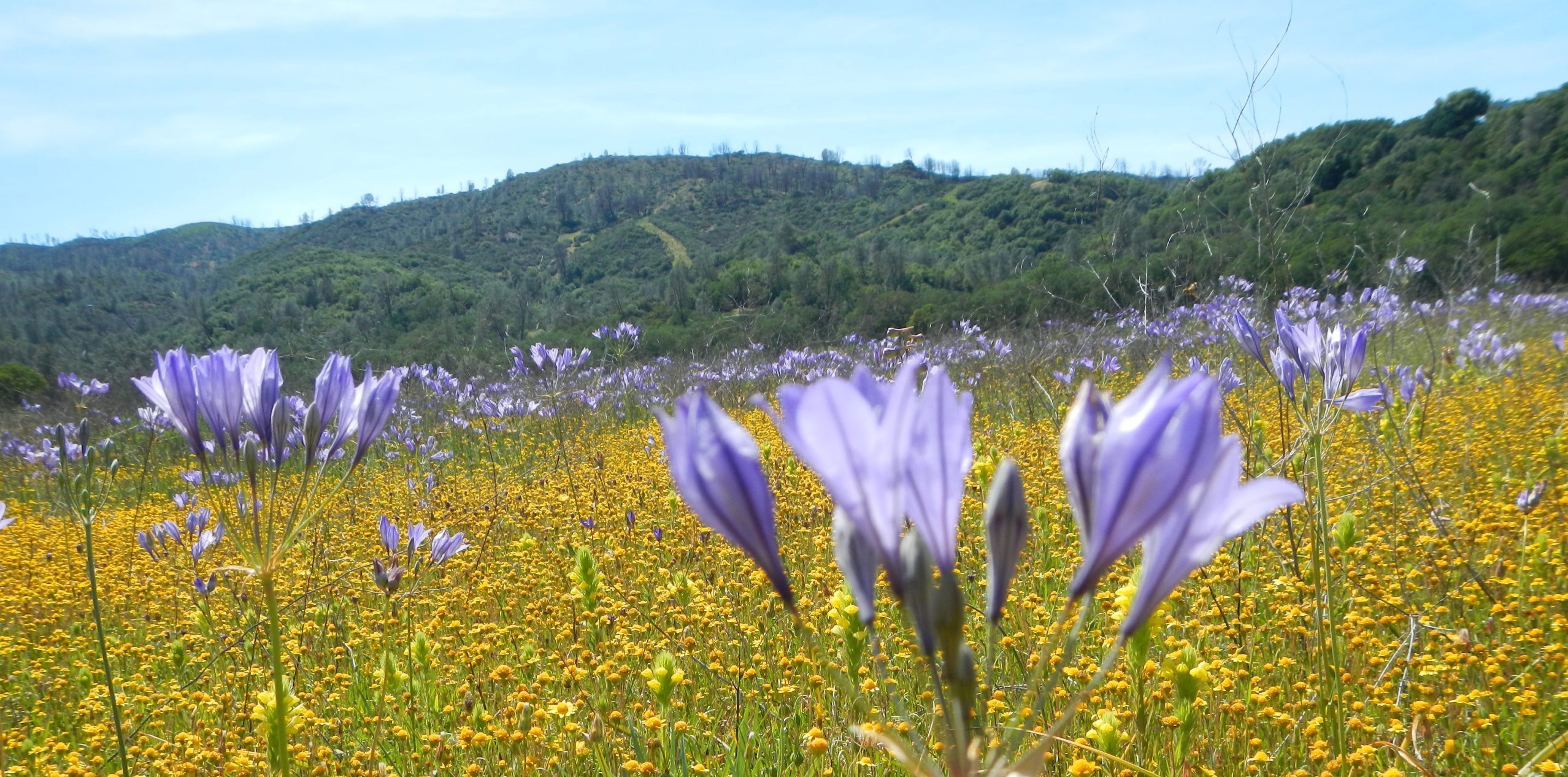

When people think about climate solutions, they often picture technology, renewable energy, electric vehicles, or innovative infrastructure. But one of the most powerful solutions we have is also one of the oldest: land.
For 50 years, the Land Trust has protected land not only for its beauty and natural value, but for its essential role in sustaining life. Today, as climate change reshapes our region and our world, protected land has emerged as a quiet but critical climate solution, supporting biodiversity, buffering extreme weather, and strengthening resilience across Napa County.
These lands were stewarded for generations by Indigenous peoples, including the Wappo, whose self-designated name is Onastis, as well as the Patwin, Pomo, and neighboring Miwok communities, who understood the deep relationship between land, water, and life.
Their knowledge and care shaped the landscapes we continue to protect today, reminding us that stewardship is not a new idea, but a responsibility carried forward.
This Earth Month, we’re reflecting on how protecting land helps protect our future.
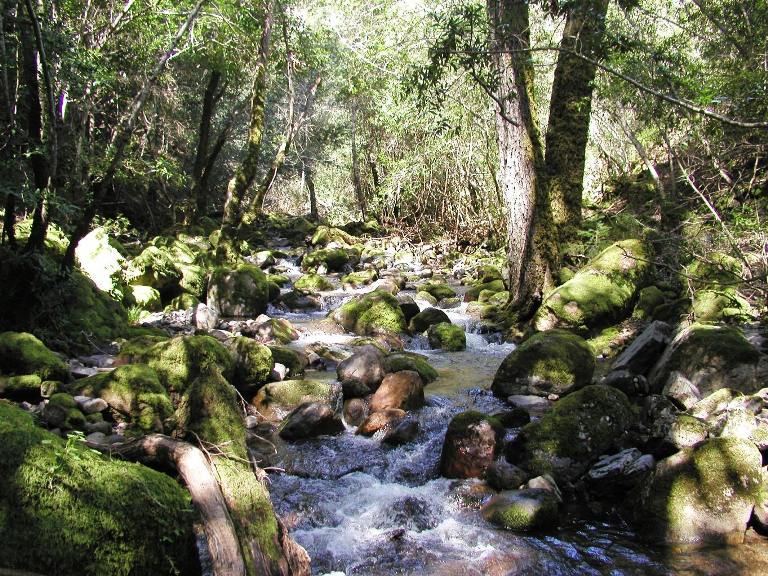
Healthy Land, Resilient Ecosystems
When natural landscapes remain intact, they regulate and stabilize the environment in ways that built systems cannot.
Forests, grasslands, wetlands, and riparian corridors:
- Moderate temperature extremes
- Absorb and store carbon
- Retain moisture and reduce drought stress
- Stabilize soils and reduce erosion
By permanently protecting these landscapes, the Land Trust ensures these natural systems can continue doing what they have done for millennia, supporting life, adapting to change, and recovering from disturbance.
Protecting Habitat in a Changing Climate
As temperatures rise and weather patterns shift, wildlife face increasing pressure. Habitat loss and fragmentation make it harder for species to migrate, adapt, and survive.
Protected lands play a critical role by:
- Protecting diverse ecosystems that support adaptation
- Preserving large connected habitats
- Maintaining wildlife corridors across the landscape
In Napa County, these lands provide refuge for native plants and animals, many of which depend on specific habitats that cannot be replaced once lost.
By protecting land today, we give wildlife the space it needs to move, adapt, and endure.
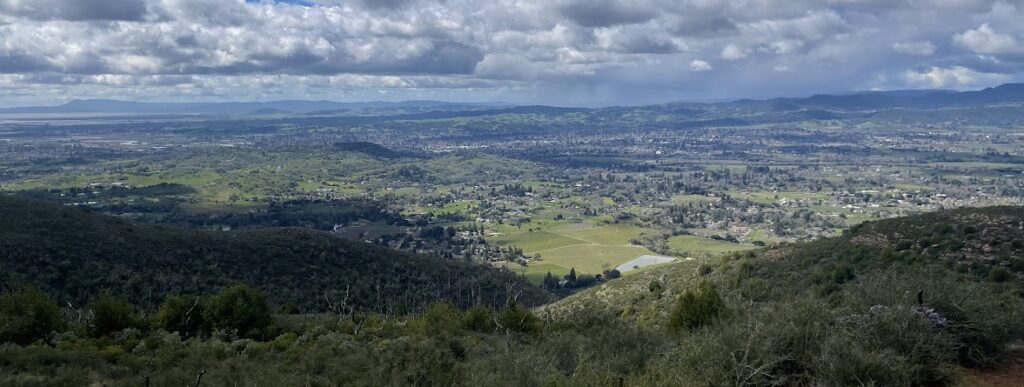
Land, Fire, and Climate Reality
Climate change has intensified wildfire risk across California. While no single action can eliminate fire, land protection supports more resilient landscapes.
Protected lands allow for:
- Natural buffers that can help slow fire spread
- Thoughtful, long-term stewardship and management
- Healthier vegetation patterns that reduce extreme fire behavior
This approach ensures that land is cared for with both ecological health and community safety in mind.
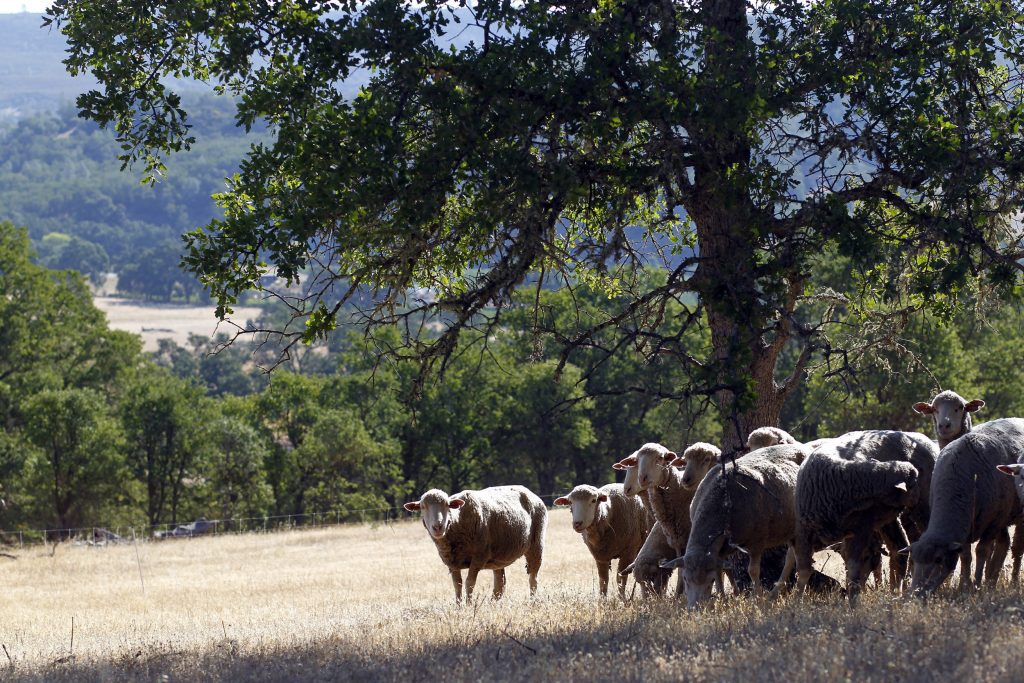
Targeted grazing is one of the tools helping us steward the land more thoughtfully, reducing invasive plant buildup, supporting native species, and strengthening the resilience of our oak woodlands.
Nature as Infrastructure
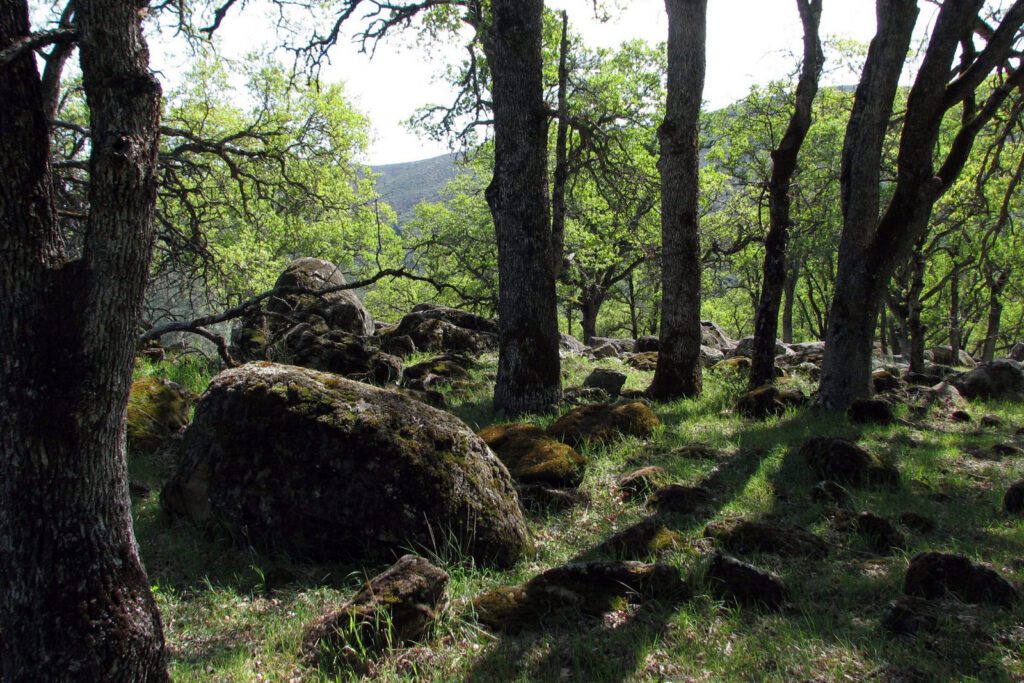
One of the most important lessons of the past 50 years is that nature is not a luxury; it is infrastructure.
Permanently protected lands:
- Support public health and well-being
- Absorb floodwaters during intense storms
- Reduce strain on built systems
- Protect water quality and supply
These benefits may be invisible day to day, but they quietly sustain life in Napa County.

A Climate Legacy Built Over Time
The Land Trust’s impact is not the result of a single project. It is the cumulative result of decades of intentional decisions, guided by science, strengthened through partnerships, and grounded in community values.
Long before climate resilience became a common phrase, protected lands were already doing this work.
As we mark 50 years of conservation, we recognize that protecting land is not just about preserving the past. It is about preparing for the future, with responsibility, foresight, and care.
This Earth Month and Every Month
Earth Month reminds us that the health of our planet begins close to home.
By protecting Napa’s land, we protect the systems that sustain us all, clean water, healthy food, resilient ecosystems, and a sense of place that cannot be replicated.
As the challenges ahead grow more complex, one truth remains clear:
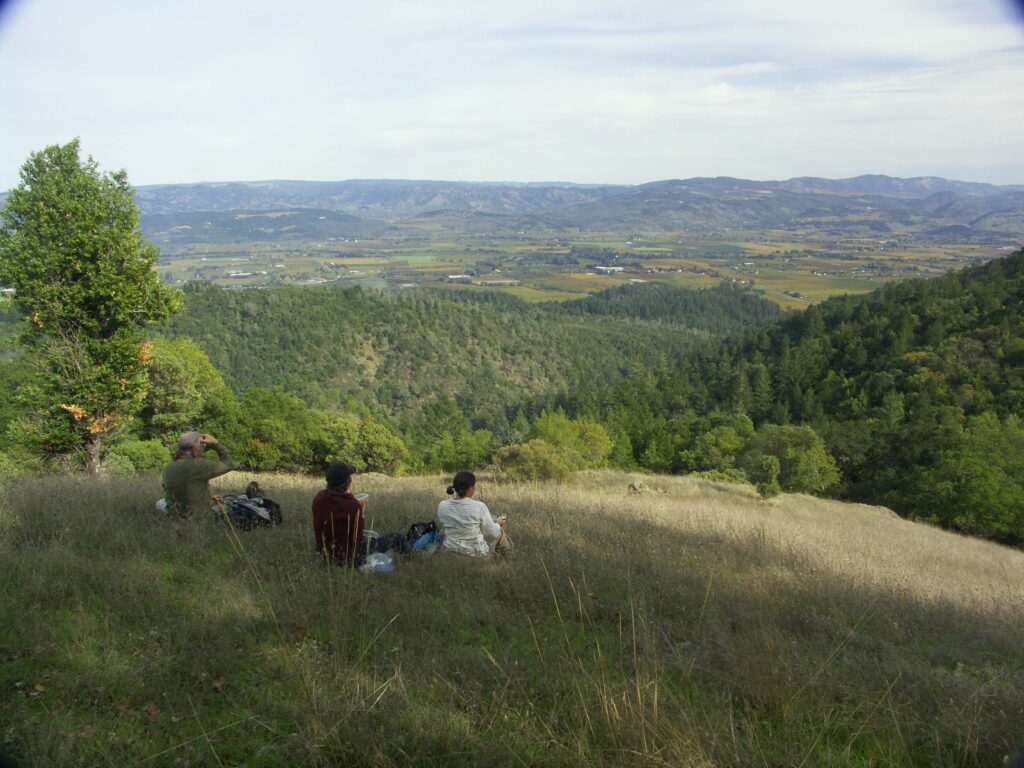
When we protect land, we invest in solutions that last.