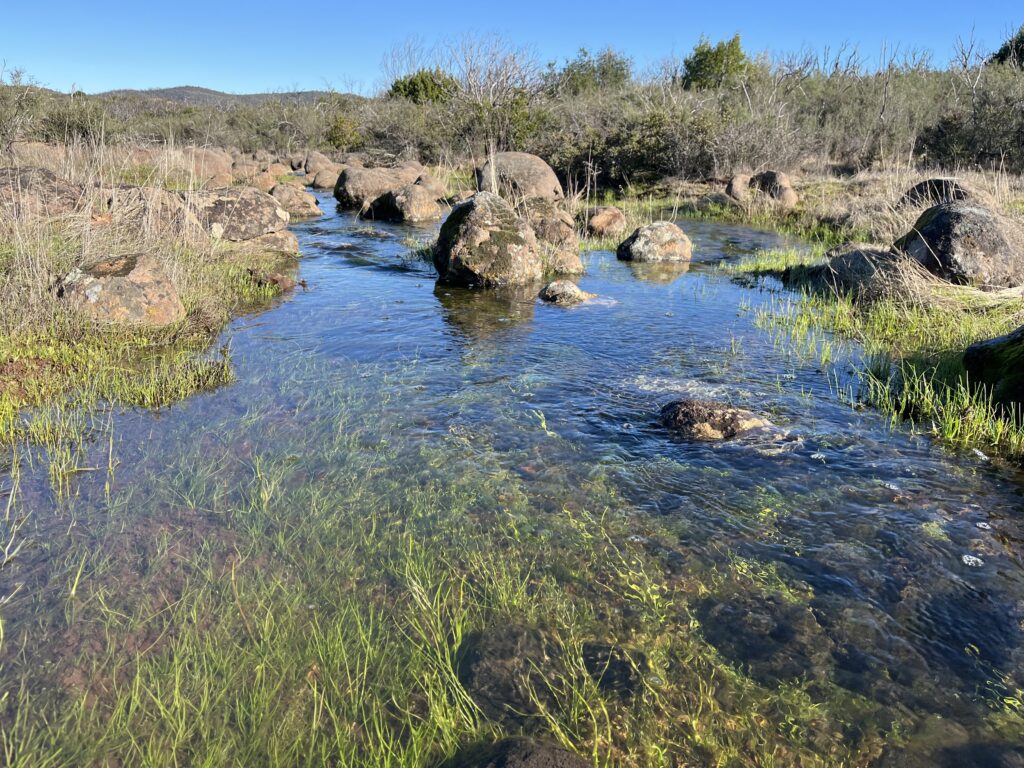
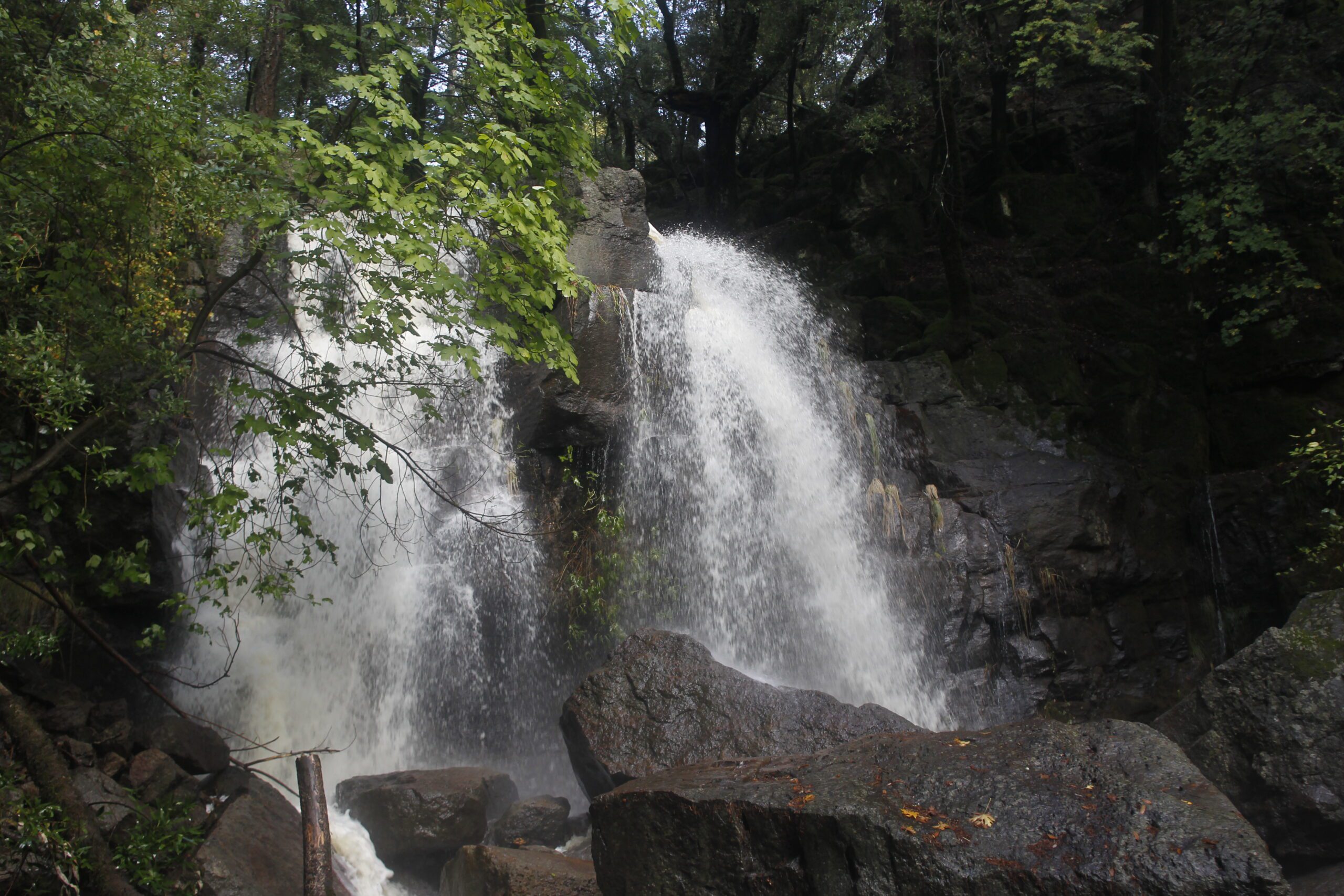
Water Shapes Napa.
It flows through our valleys and hillsides, nourishes farms and vineyards, sustains wildlife, and supports the communities who call this place home. Yet water’s journey, where it begins, how it moves across the land, and what protects it along the way, is often unseen.
For 50 years, the Land Trust of Napa County has understood a simple truth: protecting land is one of the most effective ways to protect water.
As we celebrate our 50th anniversary, we’re reflecting on how land conservation has played, and continues to play, a vital role in safeguarding Napa’s watersheds, waterways, and drinking water sources.
Why Watersheds Matter
A watershed is the land area that channels rainfall and snowmelt into creeks, rivers, and reservoirs. Everything that happens on that land, development, erosion, vegetation loss, or protection, directly affects the quality and quantity of water downstream.
Healthy watersheds:
- Filter pollutants naturally
- Reduce erosion and sedimentation
- Recharge groundwater
- Moderate flooding during heavy storms
- Sustain aquatic ecosystems
When land within a watershed is protected, it acts as a living infrastructure system, quietly and continuously supporting clean, reliable water.
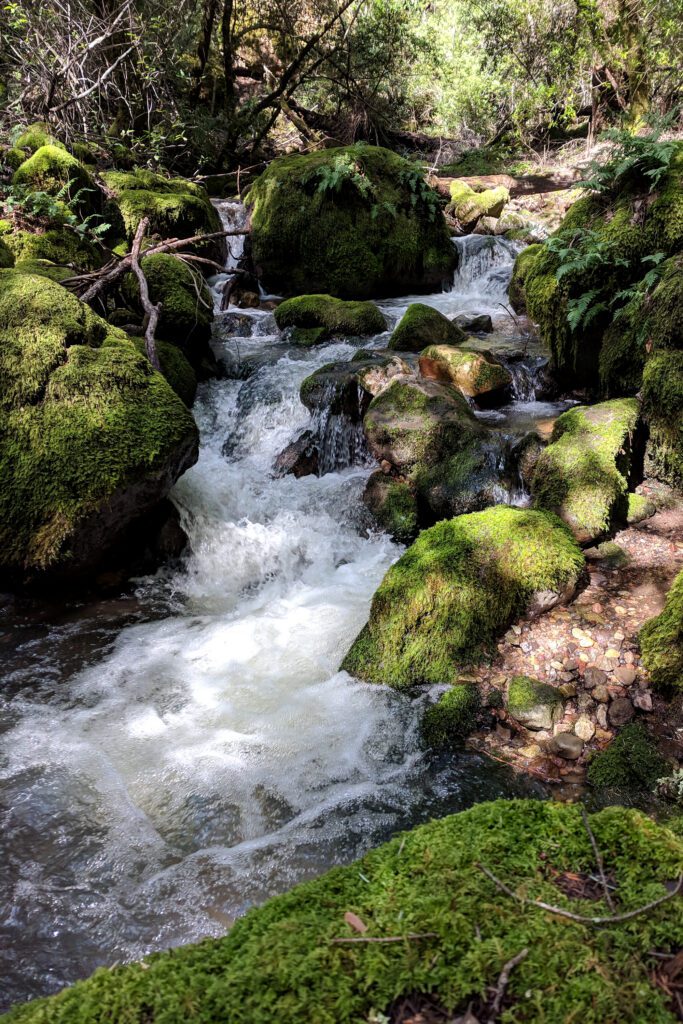
Protecting Water at the Source
One of the most impactful ways the Land Trust protects water is by protecting land at the source, the headwaters and upper reaches of watersheds where water begins its journey.
Protected lands in these areas allow rainfall to soak into soils, flow slowly through vegetation, and enter waterways cleaner and cooler. This natural filtration is far more effective and far less costly than treating polluted water after the fact.
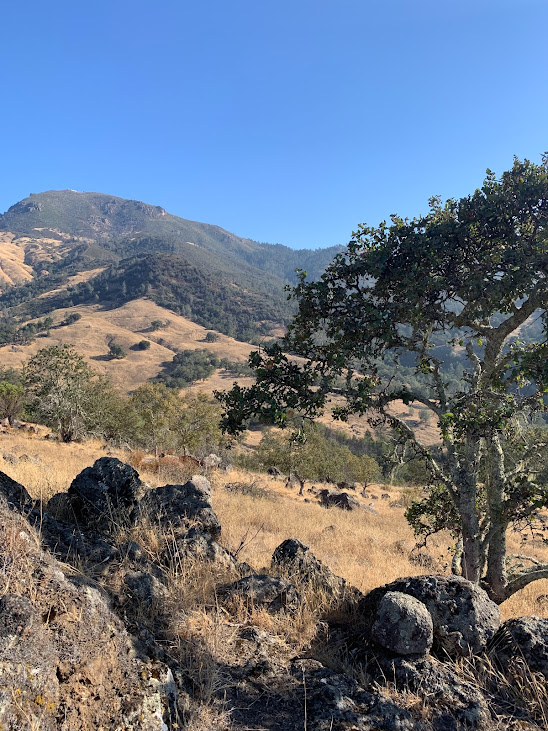
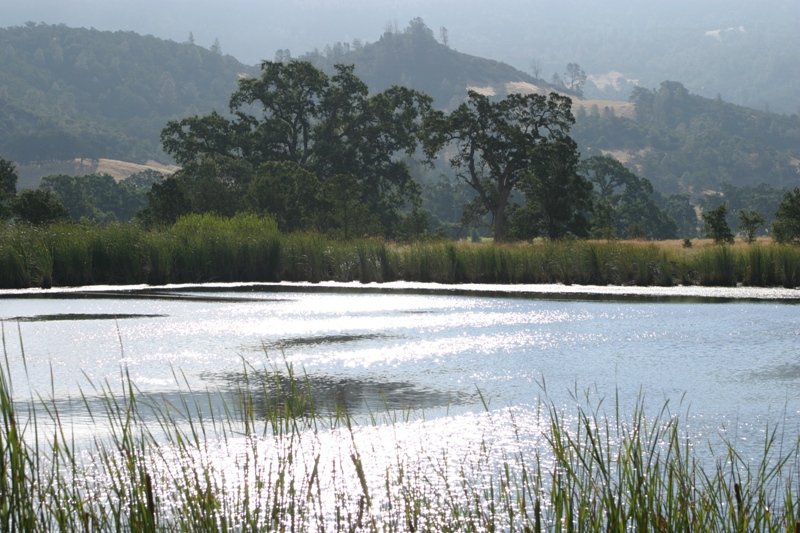
A powerful example is the Napa Headwaters Preserve, where protected land safeguards the watershed that feeds Kimball Reservoir, a key drinking water source for local communities. By protecting this land, the Land Trust helps ensure long-term water quality for thousands of residents while also protecting wildlife habitat and scenic open space.
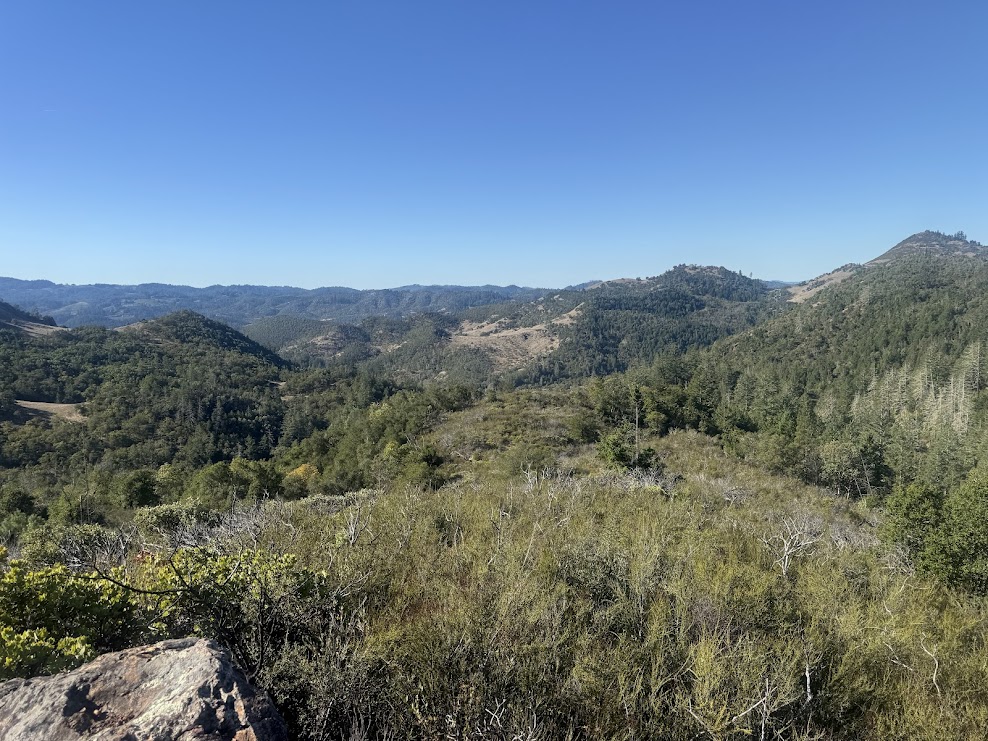
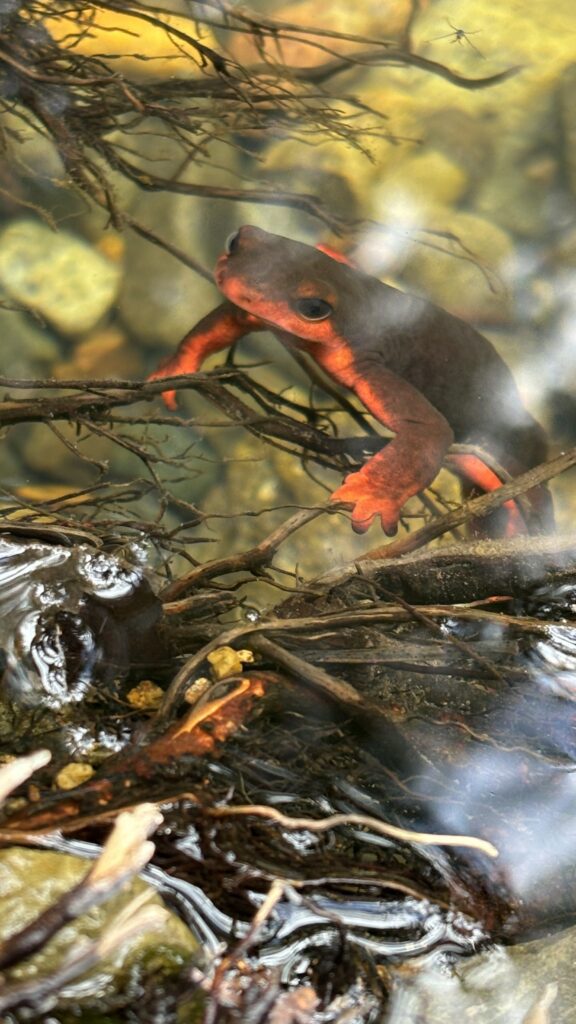
at Napa Headwaters Preserve.
Land, Water, and Climate Resilience
As climate change brings more extreme weather, longer droughts punctuated by heavier storms, the relationship between land and water has never been more important.
Protected lands help Napa adapt by:
- Absorbing stormwater and reducing flood risk
- Stabilizing streambanks and preventing erosion
- Maintaining shade along creeks, keeping water cooler for fish and aquatic life
- Supporting soils that retain moisture during dry periods
In short, conserved land acts as a buffer, softening climate impacts and helping ecosystems and communities remain resilient.
Waterways as Wildlife Corridors
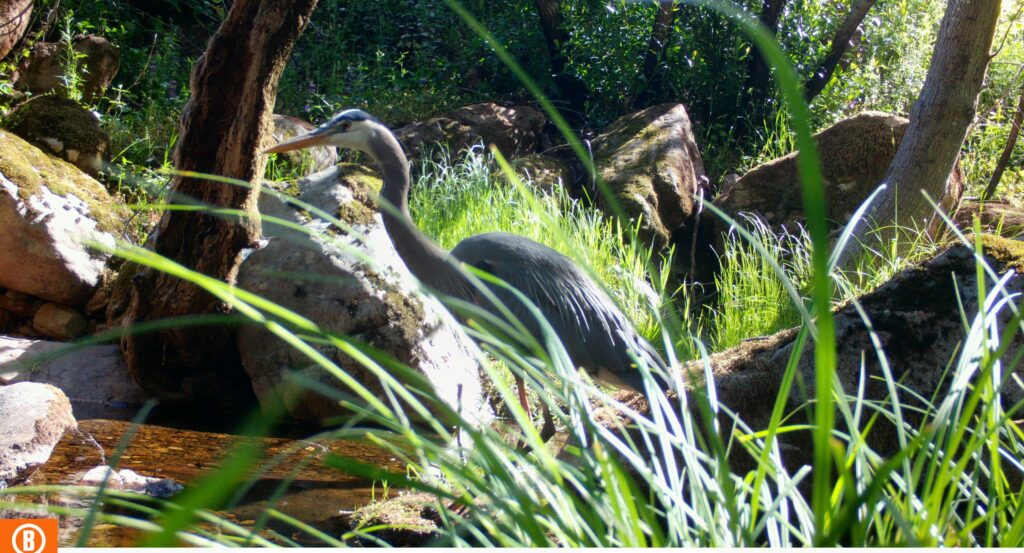
Rivers, creeks, and riparian corridors are not just conduits for water; they are lifelines for wildlife.
Many species depend on healthy waterways for migration, breeding, and survival. By protecting land along streams and rivers, the Land Trust helps maintain habitat connectivity, allowing wildlife to move safely through the landscape and adapt to changing conditions.
These green ribbons through the county are essential threads in Napa’s broader ecological fabric.
A Shared Resource, A Shared Responsibility
Water connects us all. What happens upstream affects everyone downstream, whether that’s a vineyard, a neighborhood, or a wetland.
For five decades, the Land Trust of Napa County has worked with landowners, agencies, and partners to protect watersheds, not for one individual benefit, but for the collective good. These efforts reflect a shared understanding that clean water is foundational to public health, agriculture, biodiversity, and quality of life.
Protecting water through land conservation is a long-term investment, one whose benefits compound over time.
Looking Forward
As Napa faces the future, water security will remain one of our most pressing challenges. Protecting watersheds and waterways through land conservation is a proven, science-based solution, one that works with nature rather than against it.
This 50th anniversary year is a moment to recognize the foresight of past conservation decisions and recommit to protecting the lands that sustain our water, our communities, and our way of life.
Because when we protect the source, we protect everything that flows from it.