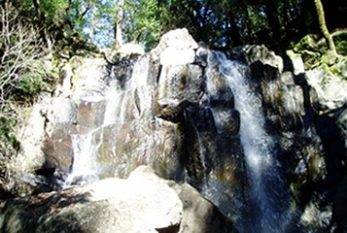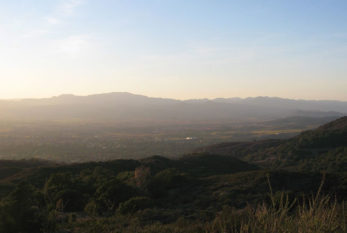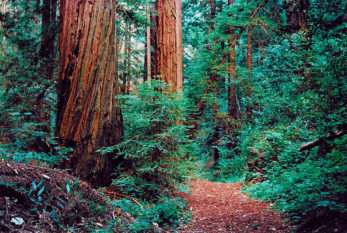
In accepting land as a permanent preserve, we assume the obligation to ensure that the property is properly stewarded and that sufficient management funds and administrative attention are devoted to the protection and preservation of the property. Each one of The Land Trust’s preserves represents a special
aspect of Napa County. In fact, in order for a parcel to be accepted
as a permanent preserve, it must be demonstrated that the property possesses
some attribute of county-wide or greater significance. The presence of
rare plants or animals, scenic, geologic or historic features, the relative
size and integrity of the property and the opportunity for public use
and benefit are considered before a property can be designated a NCLT
Permanent Preserve. Owned by the Land Trust in perpetuity; visitation by appointment: Foote Botanical Preserve at Mt.
George Wantrup Wildlife Sanctuary (1982) Archer Taylor Preserve (1993,
1996, & 1998) Missimer Snell Valley Wildflower
Preserve (2003 and 2004) —Dale & Sue Missimer Designation of a permanent preserve reflects a decision by The Land Trust that the preserve has an attribute of countywide or greater significance. This significance is based on relative rarity of plant or natural communities, presence of rare plants or animals, scenic, geologic or historic features, size, preserve integrity, and opportunity for public benefit. The preserve must have an endowment adequate for future management needs or justify efforts to fund an endowment. In acquiring a property for permanent ownership, the Land Trust assesses its current and future condition and the potential to acquire neighboring parcels. In accepting a preserve, The Land Trust assumes permanent obligations to ensure the land is well cared for and sufficient funds and attention are devoted to protect it. Linda Falls Preserve (1998) Currently owned by The Land Trust as an Environmental Education Facility: Connolly Ranch Environmental Education Center Currently owned by The Land Trust, either waiting to become Permanent Preserve or be transferred to another organization: Cheyney Audubon Preserve (1992)
|
||
|
|